

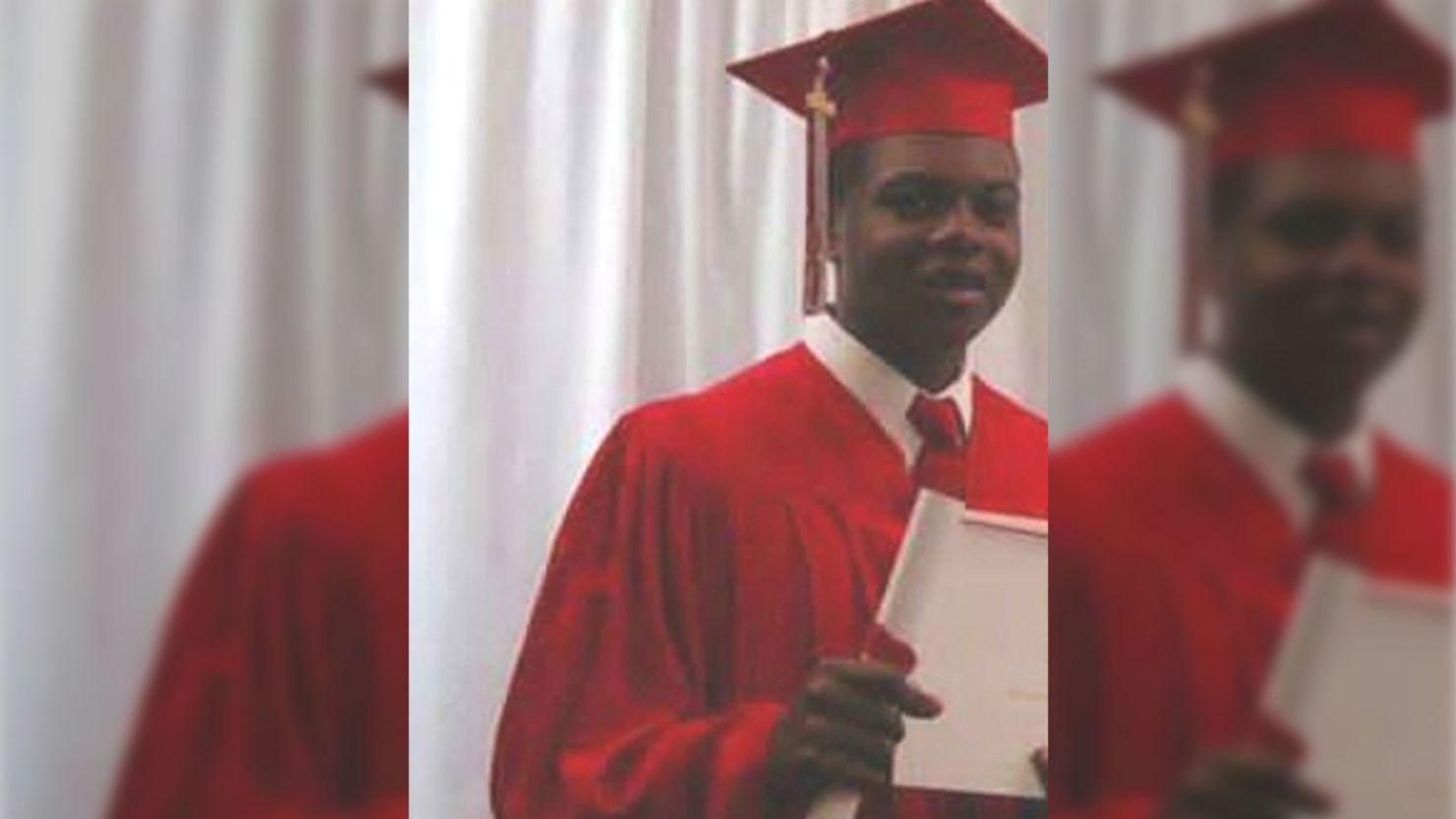
We at Spiky TV want to find out the truth behind important true crime stories that change how we think about justice and society. The tragic death of Laquan McDonald, a 17-year-old high school student from Chicago, Illinois, is one such story. His killing in 2014 caused outrage across the country and calls for police reform. At first, it was said that there was only one gunshot wound, but months later, the real story came out and it was much worse. You may have seen this case brought up as a key example of the problems with the Chicago Police Department (CPD) in the Netflix show The Truth About Jussie Smollett?. So, what really happened to Laquan McDonald? Who killed him? Let’s make it clear and interesting by breaking it down.
Who Was Laquan McDonald?
Laquan Joseph McDonald was born on September 25, 1997, in Chicago. He grew up facing significant challenges. His mother, Tina Hunter, was a teenager when she had Laquan and his younger sister, Tariana. Laquan also had a younger brother. When he was three years old, the Illinois Department of Children and Family Services took him and his sister away from their parents. They spent their childhood in foster homes and with relatives. Laquan had no relationship with his father, but his extended family loved him and called him “Bon Bon.”
Laquan had trouble with his mental health and learning disabilities, which is why he spent time at juvenile detention centres. But he was set on changing his life. Teachers at Sullivan House High School, a school for at-risk kids in Chicago, said he was polite and rarely got into trouble. He showed he was serious about making a better future by making $1,100 in 2014 through an after-school Youth Advocate Program. Police gunfire in Chicago’s Archer Heights neighbourhood shot and killed him on October 20, 2014.
How Did Laquan McDonald Die?
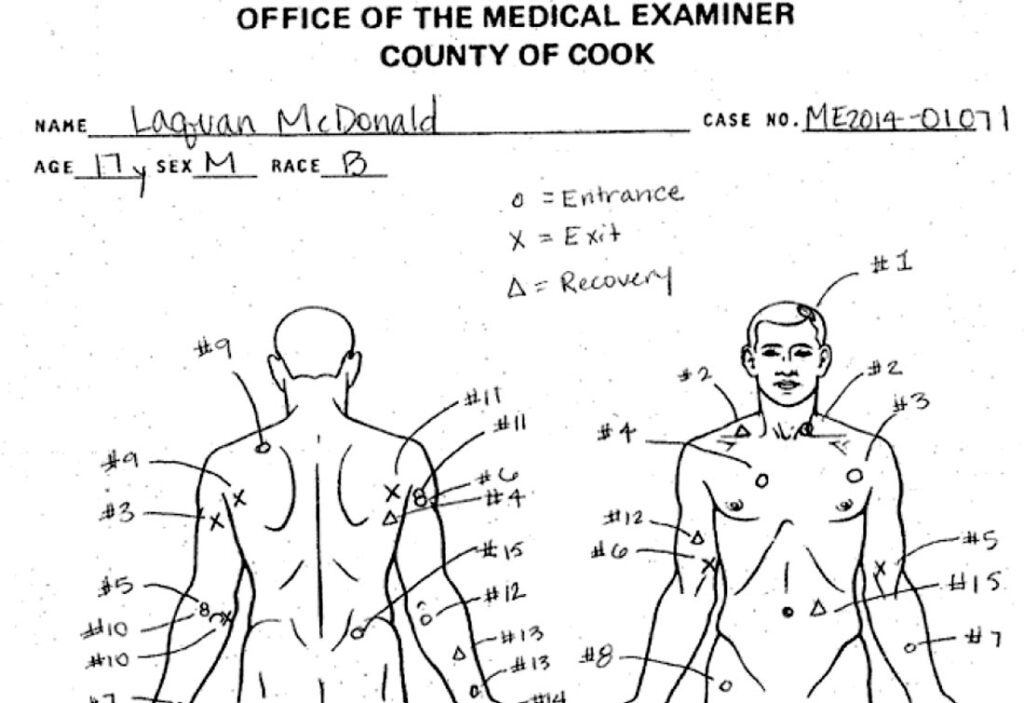
Around 9:45 p.m. on October 20, 2014, Chicago police got a call about a young man who was said to be breaking into cars and slashing tyres with a 3-inch knife. Later, they found out that the man was Laquan. When officers got there, they said that Laquan wouldn’t drop the knife when they told him to. Officer Jason Van Dyke got to the scene in a matter of seconds, got out of his car, and shot Laquan 16 times in just 14 seconds. The first police report said that Laquan was shot once in the chest and called the shooting a justifiable homicide. But this was not the case at all.
They took Laquan to Mount Sinai Hospital quickly, where he was declared dead. An autopsy showed that he had been shot 16 times, with bullets hitting his neck, chest, back, arms, and right leg. There was also a graze wound on his left scalp. It was shocking that nine of the sixteen shots hit him in the back, and some were fired while he was already on the ground. A toxicology report found small amounts of PCP in his system, which could have been a factor in his strange behaviour that night. But this fact didn’t do much to justify the excessive force used, as later evidence would show.
What Did the Dashcam Video Reveal?
The public remained unaware of the true details of Laquan’s death for months. The initial police narrative claimed Laquan was lunging at officers with the knife, forcing Van Dyke to act in self-defence. But in April 2015, the city of Chicago quietly agreed to pay Laquan’s family a $5 million settlement, even though no civil lawsuit had been filed. As part of this agreement, dashcam video evidence was supposed to remain sealed until investigations were complete. This secrecy sparked suspicion among journalists and activists.
Using the Freedom of Information Act, journalists, including Jamie Kalven, obtained the medical examiner’s report and pushed for the release of the dashcam footage. In November 2015, a judge ordered the video to be made public. The video was shocking. It showed Laquan walking away from the police, not lunging or posing a threat right away. He had a knife in his right hand, but he didn’t seem to be moving in a way that was aggressive. The video went against what the police said at first, which made people in Chicago angry and led to protests.
Who Was Responsible for Laquan’s Death?
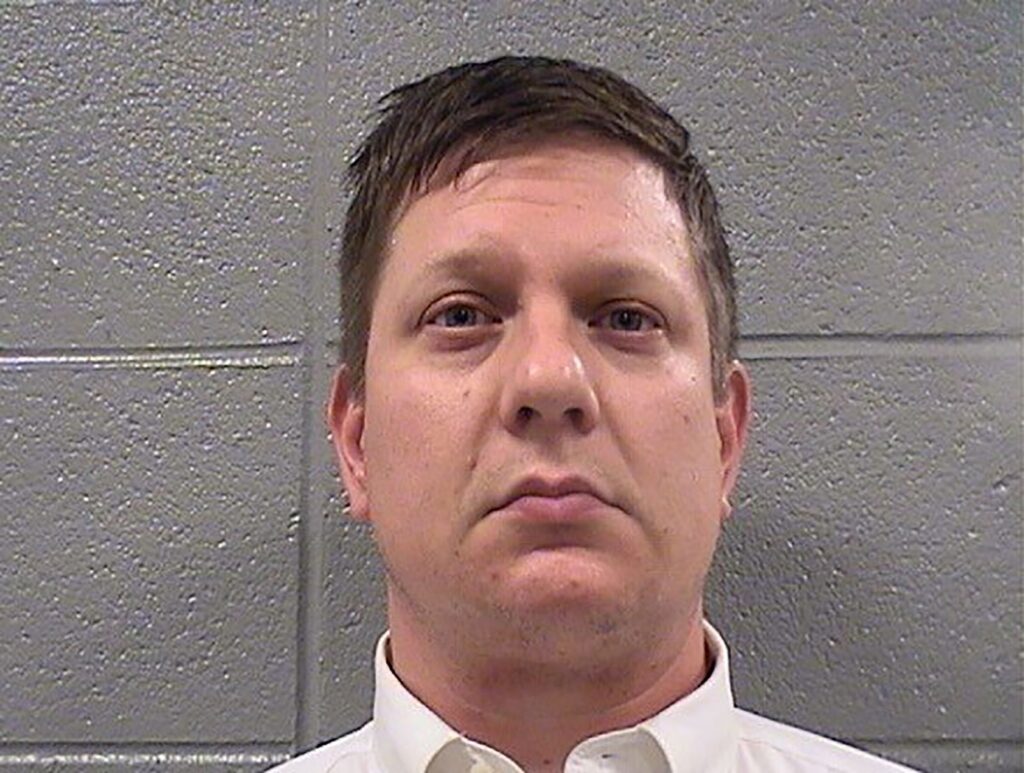
Jason Van Dyke, a 37-year-old white police officer from Chicago, shot and killed Laquan McDonald. Van Dyke said he was afraid for his life because he thought Laquan was going to stab him. On the other hand, the dashcam footage presented a different narrative. It showed that Laquan was not moving towards the officers when Van Dyke opened fire. Van Dyke was arrested and charged with first-degree murder on November 24, 2015, the same day the video came out.
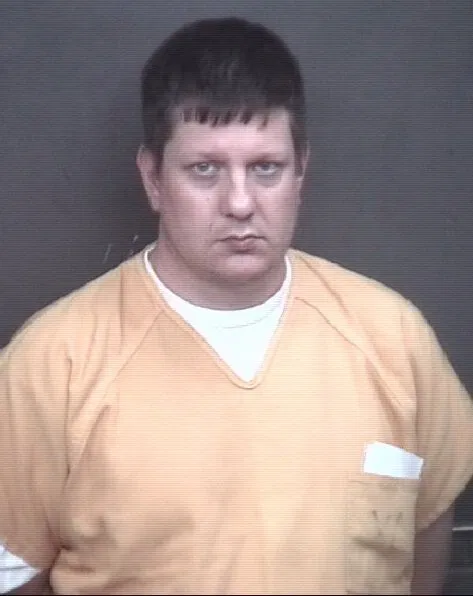
A jury found Van Dyke guilty of second-degree murder and 16 counts of aggravated battery with a firearm (one count for each bullet) in October 2018. He was given a sentence of six years and nine months in prison in January 2019. Van Dyke was let out on parole in February 2022, after serving about half of his sentence. Many activists said the sentence was too light for such a violent act and showed that police officers weren’t being held accountable.
Three other officers—David March, Joseph Walsh, and Thomas Gaffney—were also involved in the case. They were charged with conspiracy, official misconduct, and obstruction of justice for allegedly making up reports to hide the real story behind the shooting. But they were found not guilty in January 2019, which raised more questions about problems within the CPD.
How Did Laquan’s Case Impact Chicago?
The murder of Laquan McDonald changed things in Chicago. The dashcam video showed serious problems with the city’s police department, such as trying to hide evidence and lying about what happened. People were so angry that there were protests all over the country, with activists calling for accountability and change in the system. The case also had a big impact on the larger Black Lives Matter movement, bringing attention to issues like racial bias and police brutality.
In response to the anger, some changes were made. The Chicago Police Department started using new training methods that focus on how to calm down situations. The city also increased the use of body cameras to enhance transparency. In 2019, a federal consent decree was put in place that required the CPD to make major changes to fix civil rights violations. The U.S. Department of Justice also looked into the department’s actions and found patterns of wrongdoing.
The case also influenced political dynamics. People were very angry with Mayor Rahm Emanuel for how he handled the situation and some think that this made him decide not to run for re-election in 2019. Laquan’s death is still a strong symbol of how important it is to hold police accountable and change the way they work.
Why is Laquan McDonald’s case mentioned in The Truth About Jussie Smollett?
If you’ve watched The Truth About Jussie Smollett? on Netflix, you might have heard about Laquan McDonald’s case as part of the bigger picture of problems with policing in Chicago. The documentary, which came out in August 2025, is mostly about Jussie Smollett’s 2019 hate crime hoax case, but it also talks about Laquan’s death to show how people are worried about the police’s credibility. Smollett says that the Chicago Police Department’s history of messing up cases like Laquan’s may have affected how they handled his own case. At Spiky TV, we know that the connection is only a guess, but it brings up ongoing discussions about how much people trust the police.
The documentary shows that the CPD’s first false reports in Laquan’s case are similar to the doubt Smollett faced when he told police about his attack. Both cases brought up issues of bias and openness, which makes Laquan’s story a good way to understand how complicated Chicago’s relationship with police is.
If you want to learn more about impactful stories like this one, keep an eye on Spiky TV for clear, fascinating information about the cases that shape our world.
Must Read: Hilda dos Santos Story: Survivor of 19 Years of Abuse Exposed in Prime Video’s Abandoned