

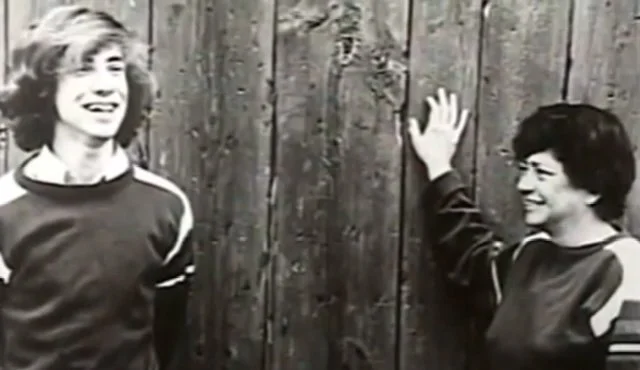
A terrible crime in Falls Village, Canaan, Connecticut, on September 28, 1973, changed the life of a young man forever and showed how the criminal justice system isn’t perfect. Barbara Gibbons, a 51-year-old mother, was found brutally murdered in her home. Her 18-year-old son, Peter Reilly, became the main suspect in a case that would get a lot of national attention. Spiky TV goes into great detail about Barbara Gibbons’ murder, the controversial investigation, and Peter Reilly’s journey from being wrongly convicted to being cleared of all charges. It uses historical records and recent events to give a full picture.
Who Was Barbara Gibbons?
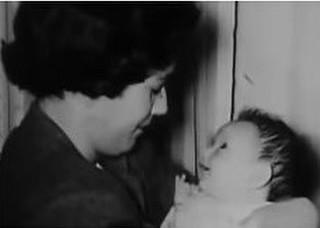
Barbara Gibbons was a 51-year-old single mother residing in Falls Village, a quiet community in the town of Canaan, Connecticut. Known as a caring but sometimes unconventional figure, Barbara lived alone with her only son, Peter Reilly. She worked various jobs and raised Peter by herself after separating from his father. Her relationship with Peter was reportedly close, albeit occasionally strained—typical of many parent-teen relationships. Despite any differences, Barbara doted on Peter, supporting his academics and interests, including his passion for playing guitar in a rock band.
How Did Barbara Gibbons Die?
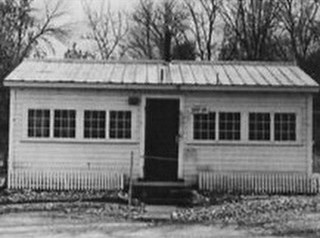
On the night of September 28, 1973, Barbara Gibbons was found dead in her bedroom. The scene was horrific. Her throat had been slit so deeply that it was nearly severed, she had multiple stab wounds to her torso, both legs were broken at the thighs, and her ribs were shattered. Her body was discovered naked with signs of sexual assault, and her clothes were found nearby. Blood had been sprayed across the bedroom walls.
The discovery was made by her son, Peter Reilly, who returned home shortly before 10:00 p.m. after attending a church teen centre meeting. After receiving no response from his mother, Peter entered her bedroom and encountered the devastating sight. He immediately called for help—an ambulance, a doctor, and the hospital. Geoffrey Madow, a friend he also contacted, arrived to find Peter in a dazed state, standing outside the home in the dark.
Peter’s shock and confusion were evident, and yet law enforcement became suspicious due to his seemingly unemotional response and statements about his mother still breathing when he arrived. These observations marked the beginning of a deeply flawed investigation.
What Happened to Peter Reilly?
The Interrogation and False Confession
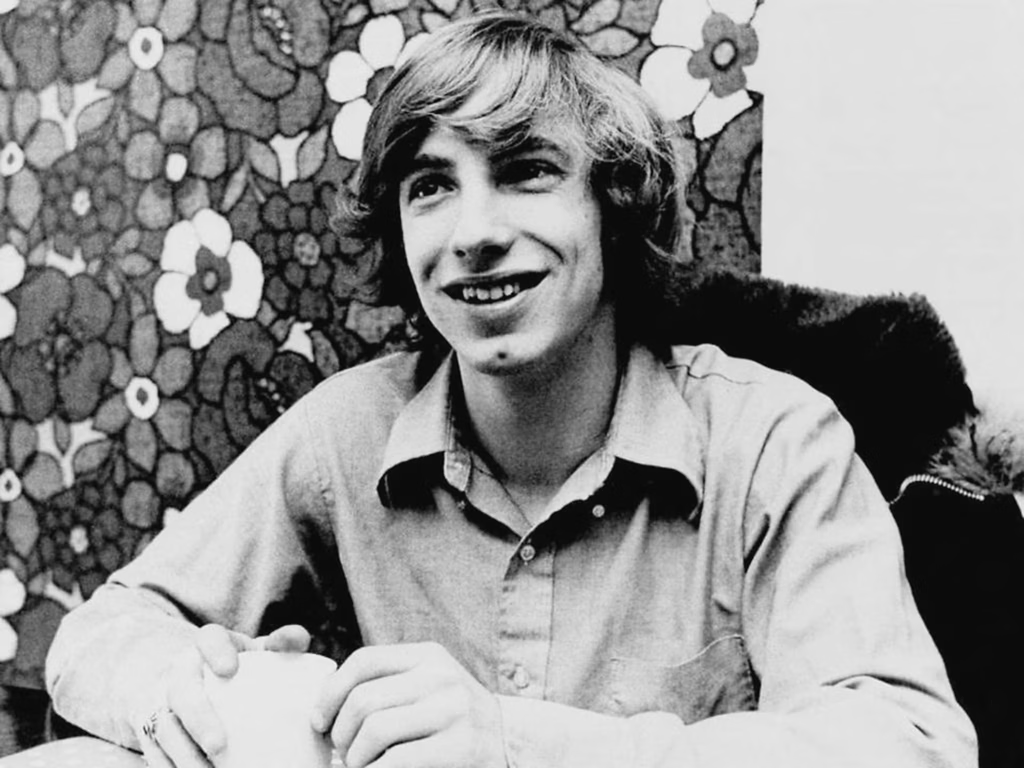
Despite having no criminal record and being widely regarded as a well-mannered, intelligent student, Peter was quickly targeted as the prime suspect. Within hours of discovering his mother’s body, he was taken to the police station and subjected to an exhausting round of interrogations.
Over the next 24 hours, Peter was held without sleep, denied food, and questioned without a lawyer. During a polygraph test at Troop H in Hartford—which he voluntarily agreed to in an attempt to prove his innocence—he was told he had failed. Police claimed the results indicated he had harmed his mother.
Confused, exhausted, and intimidated, Peter eventually began to doubt his own memory. Officers planted the idea that he might have “blacked out” the event, and under this pressure, Peter gave a written confession. He later explained, “I hadn’t done anything wrong and this is America,” believing that truth and justice would prevail.
The Trial and Conviction
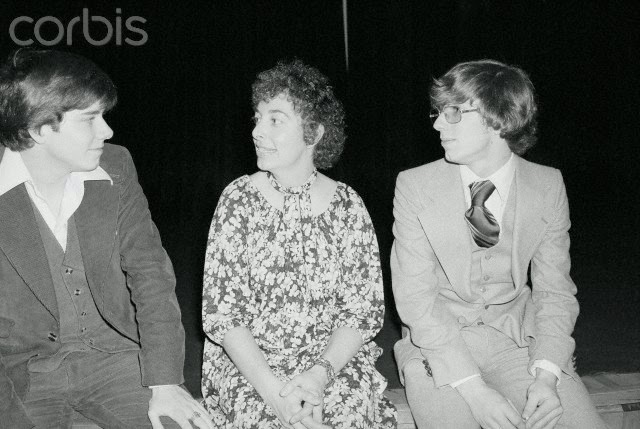
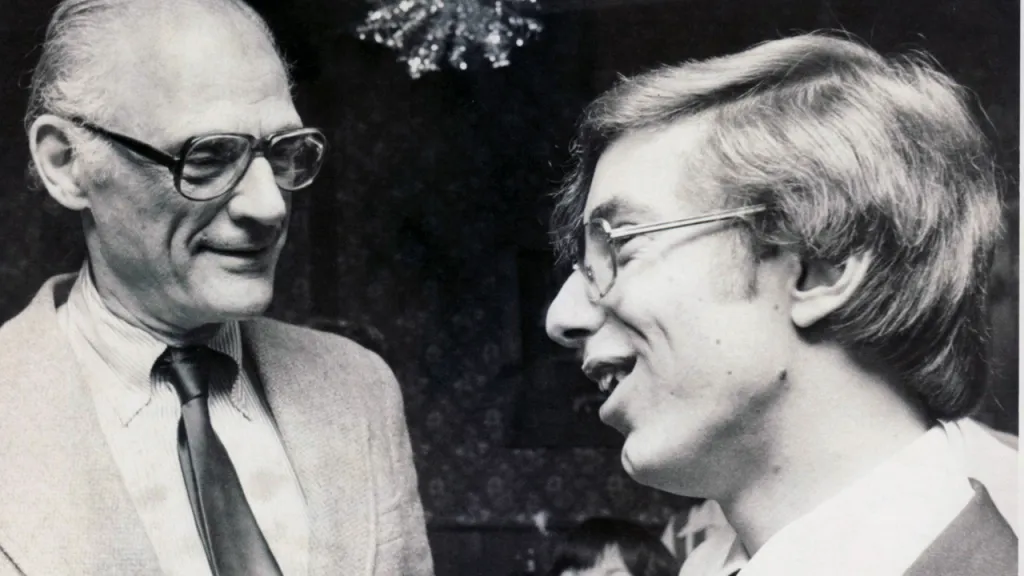
Peter later recanted the confession and secured legal representation. With the help of supporters and national figures like playwright Arthur Miller and author William Styron, funds were raised for his bond and legal costs. Journalist Joan Barthel, who would later publish the book A Death in Canaan, brought national attention to the case.
At trial, the prosecution emphasized Peter’s confession and his alleged lack of emotional response. The defence, however, introduced witnesses who saw Peter at the teen center as late as 9:30 p.m., including John Sochocki, who confirmed Peter had driven him home at 9:45 p.m. The timing placed Peter elsewhere during the murder.
As mentioned by truecrimene, despite the contradictions and lack of physical evidence linking him to the crime, Peter was convicted of first-degree manslaughter on April 12, 1974, and sentenced to 6 to 16 years in prison. The jury deliberated for over 15 hours, and some felt pressured by the judge to reach a verdict.
Exoneration and New Evidence
Public support for Peter never waned. Joan Barthel’s book and a CBS documentary fueled national outrage. Eventually, new evidence surfaced. A full transcript of Peter’s interrogation, previously withheld, showed disturbing coercion by investigators. More significantly, a fingerprint found at the crime scene matched one of two local brothers, Timothy and Michael Parmalee, known to have feuded with Barbara.
Further credibility was added when CBS confirmed that the film “Kelly’s Heroes” aired at 9:50 p.m. on the night of the murder—the same time Peter had called a friend’s mother after discovering the body. That timing, coupled with witness testimony, shattered the prosecution’s timeline.
On March 25, 1976, a Connecticut judge ordered a new trial. Prosecutors ultimately dropped the case, and on November 24, 1976, all charges against Peter were dismissed. On June 1, 1977, Superior Court Judge Maurice J. Sponzo officially condemned the investigation, stating that Peter was a victim of unjust police and prosecutorial conduct.
Where is Peter Reilly now? Is He still alive
Peter Reilly was still living a quiet life in Connecticut, according to the most recent information. He sold auto parts and kept a low profile in public. Peter also became a strong supporter of changes to the criminal justice system, especially when it came to how minors are treated and how police question people. He has backed laws in Connecticut that make it illegal for police to use trickery on minors.
Because he has been involved in recent legislative efforts, it is assumed that he is still alive as of 2025. Books like A Death in Canaan and Guilty Until Proven Innocent by Donald Connery tell his story, which is still a powerful example of strength and the fight for justice.
The Case Remains Unsolved
Barbara Gibbons’s murder is still officially unsolved. No one else has been arrested or charged in connection with the case. There wasn’t enough evidence to charge the Parmalee brothers, even though they were briefly suspected. The case is still open in Connecticut, and police have asked anyone with information to come forward.
Many books, criminal justice textbooks, and civil rights discussions have talked about the sad deaths of Barbara Gibbons and Peter Reilly’s wrongful conviction. It shows how easily justice can go wrong without supervision, following the law, and caring about the victims, both the ones who die and the ones who are falsely accused.
Spiky TV wants people who are interested in true crime and justice reform to look into this case more. It is a sad reminder of how important it is to have fair investigative practices.
Read More: Where Is Daniel LaPlante Now? The Chilling Story of Priscilla Gustafson’s Killer