

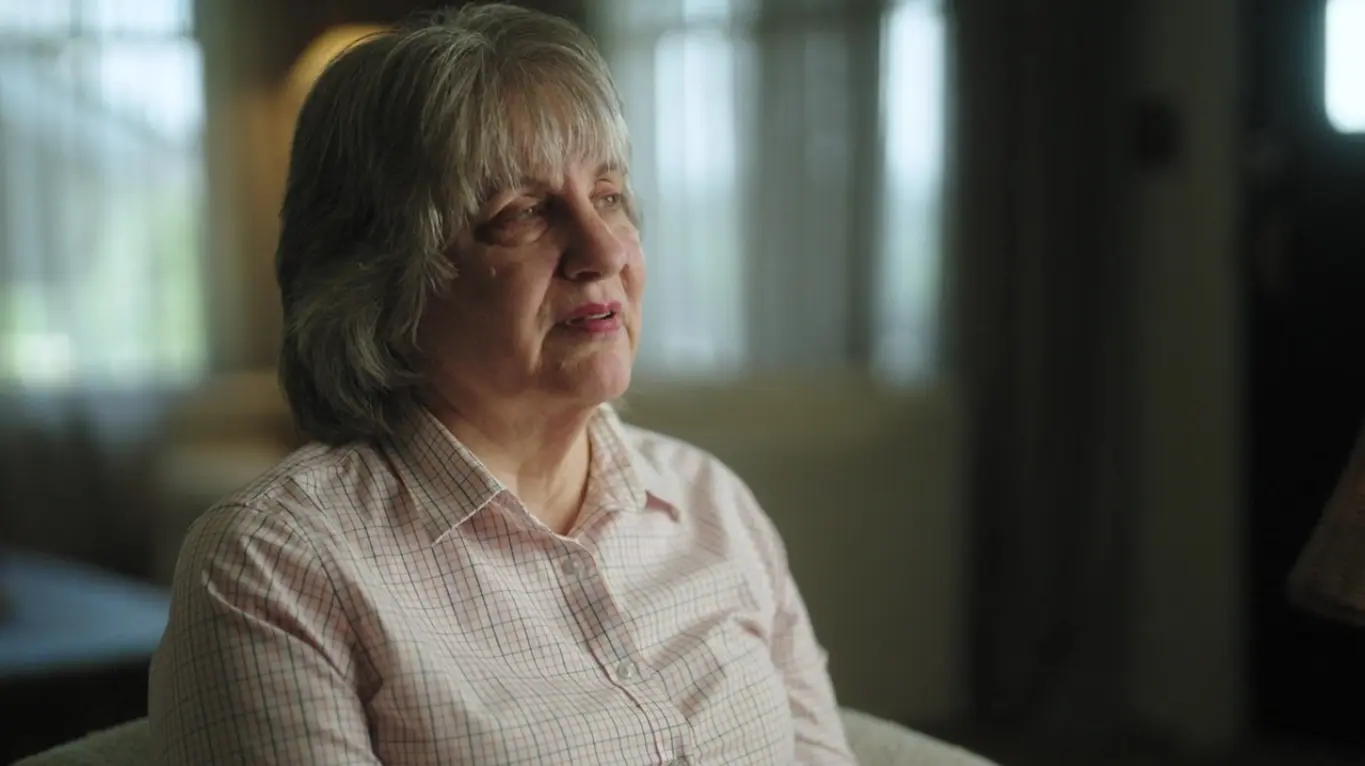
On Spiky TV, we’re diving into the scary world of Hulu’s “Ted Bundy: Dialogue with the Devil“, a six-part docuseries that started on 07 August 2025 and shows the twisted mind of one of America’s most famous serial killers. This series isn’t just about Bundy’s terrible crimes; it also looks at how he tried to trick people into helping him catch the Green River Killer in 1984, even though he was going to be executed.
The show gives a creepy look at Bundy’s mind games with investigator Robert Keppel through exclusive interviews and audio tapes that have never been heard before. Karen Sparks-Epley is one of the voices in the movie. She is one of Bundy’s few survivors and may have been his first victim. So, who is Karen Sparks-Epley, and what is she doing now? Let’s look at her story of how she survived, how strong she is, and what life is like after trauma.

Karen Sparks-Epley’s Terrifying Encounter with Ted Bundy
Karen Sparks was an 18-year-old political science student majoring at the University of Washington in early January 1974. She was a passionate dancer and lived a quiet life in Seattle’s University District, where she shared a basement flat with three men. Karen wasn’t into partying late at night like some of her friends were. She was in her room on January 3, 1974, thinking about the next semester and relaxing with a book. She had no idea that her life was about to change forever.
Around 1 a.m. on January 4, Karen thought she saw a man peering through her ground-level window. At first, she brushed it off as her imagination—just a flicker of light and shadows. She felt safe with her roommates nearby and didn’t think twice about a stranger she’d noticed at a local laundromat days earlier. That man was Ted Bundy, who had allegedly been watching her. Karen later recalled thinking he was older and somewhat charming, but their brief exchange didn’t linger in her mind. Unbeknownst to her, Bundy had been stalking her, waiting for the right moment.
After Karen fell asleep around 2 a.m., Bundy entered her apartment through an unlocked back door. He sneaked into her room, took a metal rod from her bed frame, and beat her up badly. He hit her in the head with the rod and then raped her before running away when one of her roommates woke up. Karen was unconscious, bleeding, and fighting to stay alive.
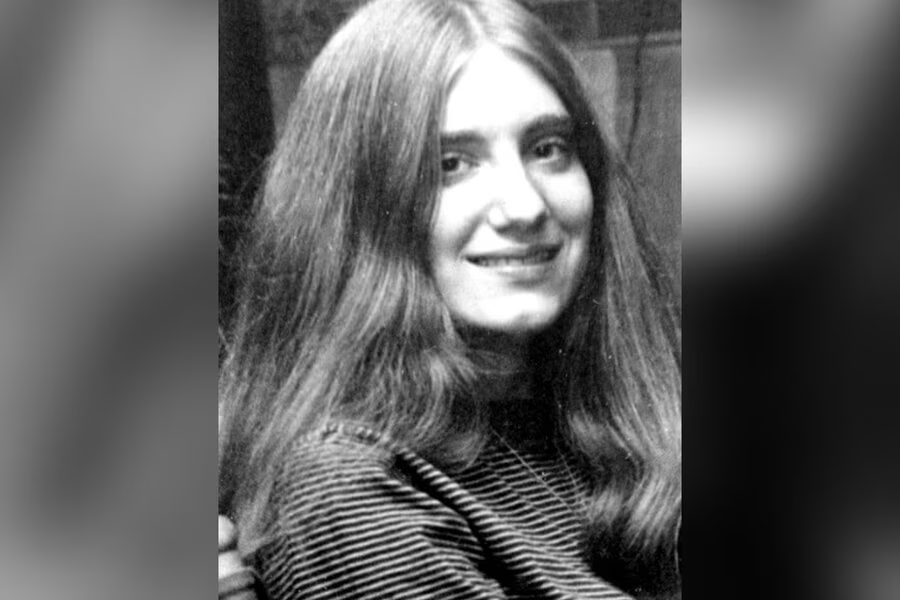
The Aftermath: A Life-Altering Trauma
It took Karen’s roommates nearly 17 hours to realise something was wrong. It was the evening of January 4. Bob, one of them, checked on her around 7 p.m. and thought she was just sleeping in. He knew something was very wrong when he saw blood on her hair and pillow. He called the police and her parents right away. At the hospital, it became clear how badly she was hurt: her bladder was split open from the attack, and she needed emergency surgery. Karen was in a coma for 10 days. When she woke up, she couldn’t walk, talk, or fully understand what had happened.
Karen was hurt for life because of the attack. She lost 50% of her hearing, 40% of her vision, and 24% of her brain function. She had to go through a long recovery at the age of 18, during which she had to learn how to walk and talk again. Her family was crucial to her recovery because they didn’t listen to doctors who told them to put her in a nursing home. Instead, they took her home and showered her with love and support. Karen’s dad kept things light and told her to stay positive. She remembered him saying, “You’re not going to be the same person you were—you’re going to be better.” His words stayed with her and made her more determined to start over.
The battle wasn’t just about the scars on the outside. It was very hard on the mind to survive such a violent attack. Karen didn’t want to talk about the incident or Ted Bundy for years because she didn’t want it to define her. She didn’t want to be treated differently or get pity, either. Her strength and the support of her family helped her move on, but the trauma had lasting effects, such as constant ringing in her ears and, for a time, seizures.
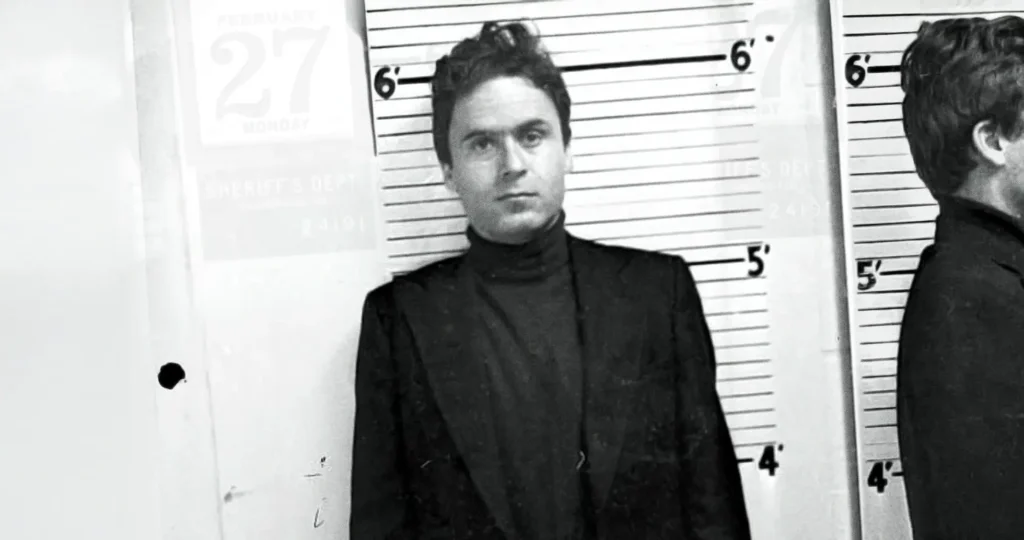
Who Was the Man Called “Ted”?
In the summer of 1974, authorities approached Karen, asking if she knew anyone named “Ted.” Reports were circulating about a man targeting young women in the area. Karen had no information to offer at the time—she didn’t know her attacker was Ted Bundy until his crimes, arrests, and escapes made national headlines in the late 1970s. Bundy wasn’t arrested until 1975 and was imprisoned for good in 1978. By the time of his execution in 1989, he was infamous, but Karen chose to stay out of the spotlight. She didn’t want to give Bundy any more power over her life.
“Ted Bundy: Dialogue with the Devil” on Hulu shows how Bundy was able to control people around him, even from prison. The series talks about his meetings with Robert Keppel in 1984, during which he gave information about the Green River Killer case, possibly to put off his execution. The docuseries narrates Karen’s tale of overcoming overwhelming challenges and refusing to allow Bundy’s actions to define her.
Karen’s Resilience: Refusing to Be a Victim
Karen’s story is one of incredible resilience. She made a conscious choice not to see herself as a victim. “I was victimized, but I am no victim,” she said in REELZ’s Ted Bundy: The Survivor. She believes that labelling herself a victim would give Bundy control over her life forever, and she refused to let that happen. Instead, she focused on moving forward, building a career, and creating a family.
After her recovery, Karen returned to her studies and became a professional accountant. She settled in Kent, Washington, within the Seattle Metropolitan Area, where she still lives today. Now around 70 years old, Karen goes by Karen Epley, is happily married, and is a devoted mother and grandmother. Her life is private, cozy and stable—a stark contrast to the chaos Bundy brought into it. While she still deals with permanent brain damage, hearing loss, and tinnitus, she has overcome the epileptic seizures that once plagued her.
Karen started telling her story in public in the late 2010s to help herself deal with her trauma and motivate others. She was in a number of documentaries, such as Netflix‘s “Conversations with a Killer: The Ted Bundy Tapes“, Prime Video’s “Ted Bundy: Falling for a Killer“, REELZ’s “Ted Bundy: The Survivor“ and Hulu’s “Ted Bundy: Dialogue with the Devil“. Speaking out has been a part of her healing process because it has helped her take back her story.
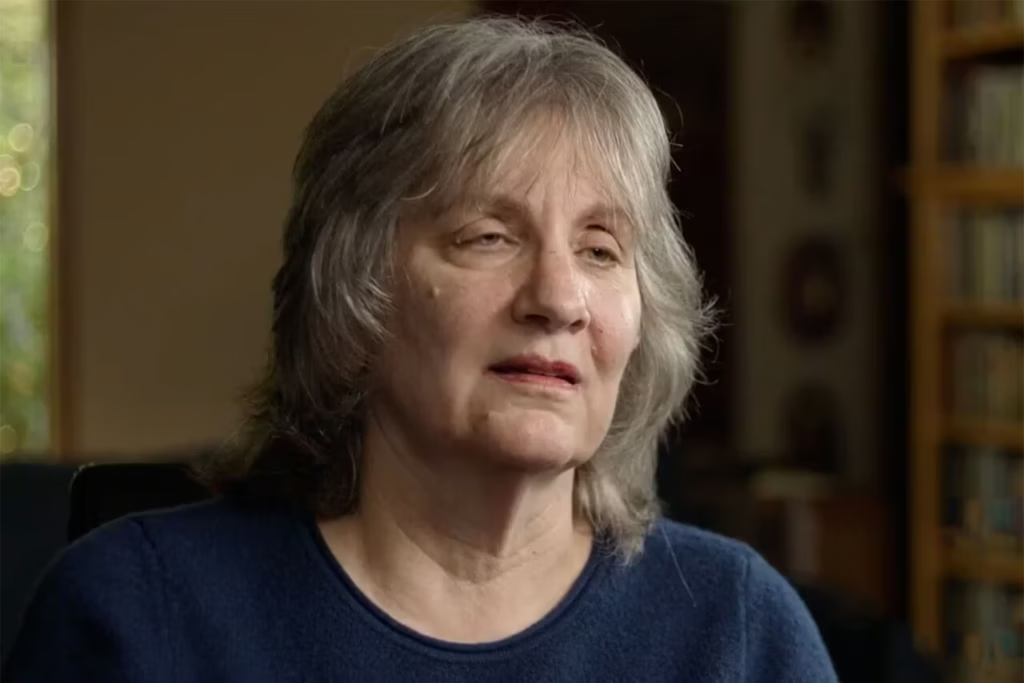
Where is Karen Sparks-Epley now?
Today, Karen leads a quiet, fulfilling life in Kent, Washington. As a retired accountant, she enjoys her role as a wife, mother and grandmother. Despite the lasting effects of her injuries, she remains positive. In Ted Bundy: The Survivor, she shared, “I live for the day. I never really thought of myself as a victim. If you think of yourself as a victim, you’re a victim for the rest of your life, and that’s the most crippling thing of all.” She even finds a silver lining in her ordeal, noting that she’s never had a bad day since that fateful night in 1974.
Karen’s story resonates with many because it is about thriving after trauma, not just surviving. She is strong and determined to live life on her terms, as shown by her appearances in documentaries. We at Spiky TV admire her bravery and how she has turned her pain into a reason to live, motivating others to face their own problems.
If you want to know more about Karen’s story or Ted Bundy’s mind games, you can watch the docuseries on Hulu or Disney+.
Also Read: Cathy Krauseneck Murder: Shocking Details from the Brighton Ax Murder Case