

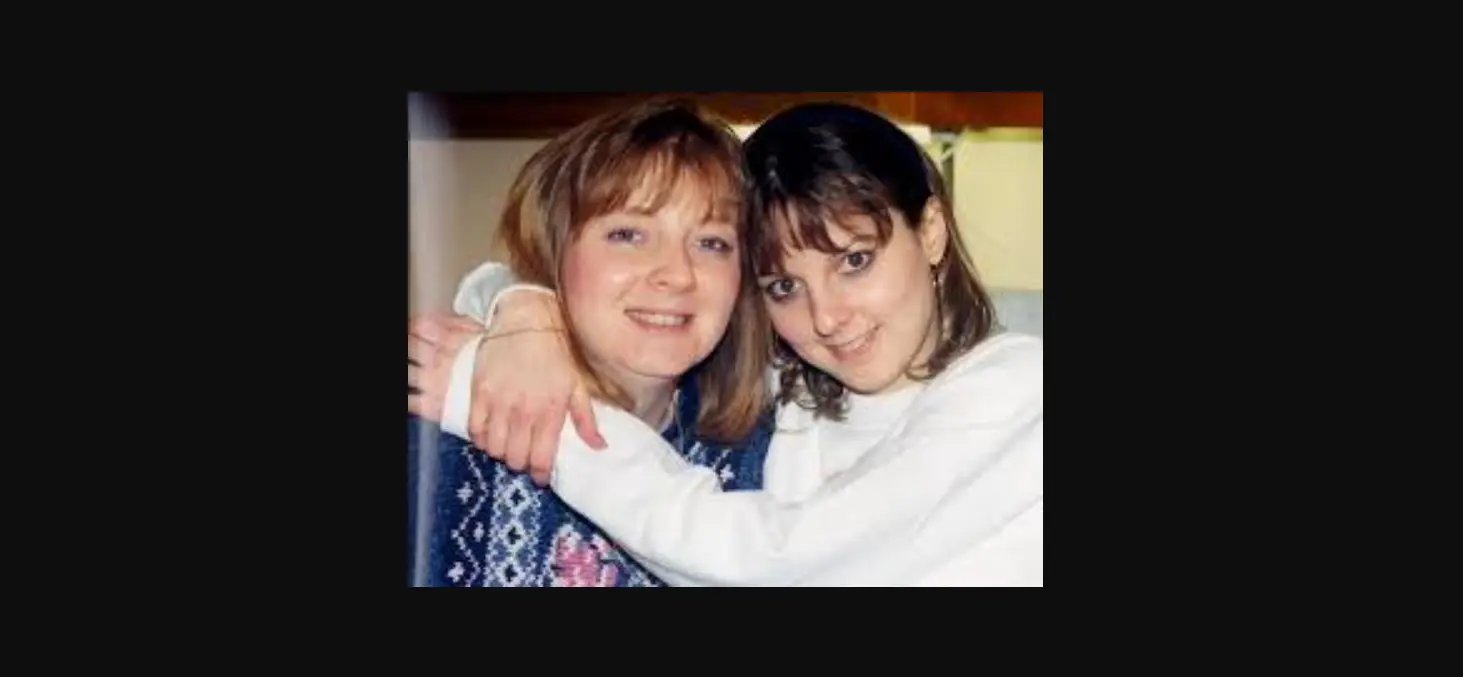
The murder of Stephanie Kupchynsky in 1991 is still one of the most terrifying cases in Rochester, New York’s history. Stephanie’s disappearance and death shocked the local community and kept investigators busy for decades. It was one of many famous cases, like the 1982 murder of Cathleen “Cathy” Krauseneck, which was covered by CBS‘ 48 Hours: The Brighton Axe Murder and NBC’s Dateline: The Bad Man. This Spiky TV article talks about what happened to Stephanie, the investigation that followed, and the creepy confession of Ed Laraby, the man who is thought to have killed her.
Stephanie Kupchynsky: A Legacy Rooted in Music and Compassion
Stephanie Joy Kupchynsky was born on February 17, 1964, in New Brunswick, New Jersey. Her family was very involved in music. Jarema Markian (also known as Jerry) and Jean Estelle Brown Kupchynsky were both talented musicians and teachers. Jerry was a famous orchestra conductor and music supervisor who won the Merle J. Isaac Lifetime Achievement Award in 1994. Jean was a talented organist, choir director, and music teacher. She went to the New England Conservatory of Music in Boston to get her master’s degree.
Growing up in East Brunswick with her sister Melanie, Stephanie was known for her kindness, empathy, and selflessness. She also took care of her mother, who was battling multiple sclerosis. Following in her parents’ footsteps, Stephanie graduated from West Virginia University in 1986 and went on to become a string music teacher. By 1988, she was working at Martha’s Vineyard Public Schools, where she inspired many young musicians.
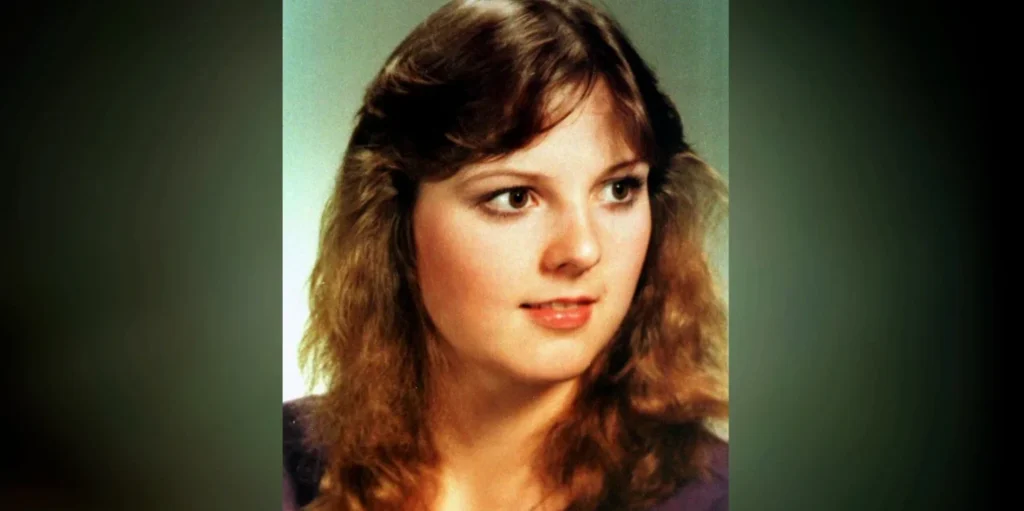
A New Chapter in Rochester Ends in Tragedy
Stephanie moved to Rochester, New York, in 1990 to start over. She got a job as a music teacher at an elementary school in the Greece Central School District, where she mentored young musicians with her warm, caring style. She was also doing well in her personal life. In May 1991, she started dating Ken Sullivan, a 33-year-old violin maker from Ithaca. Everything seemed to be falling into place.
But on July 31, 1991, Stephanie’s life took a devastating turn. After taking her friends’ kids out for ice cream, she returned to her apartment in the Newcastle complex in Rochester. That was the last time anyone saw her alive. When Ken hadn’t heard from her for three days and learnt she hadn’t shown up at work, he grew worried. It wasn’t like Stephanie to disappear without a word. He filed a missing persons report, sparking a frantic search.
Police found Stephanie’s 1985 red Nissan Sentra parked at Rochester Regional Airport, with her wallet and cards stuffed in the glove box. Her chequebook was later discovered at Lake Ontario State Parkway, raising red flags. For her loved ones, the discovery was alarming—Stephanie was reliable and always let someone know her plans. Their worst fears were confirmed when children fishing in a shallow creek bed in Murray, Orleans County, stumbled upon human remains. The remains were identified as Stephanie’s, and medical reports confirmed she had been strangled to death.
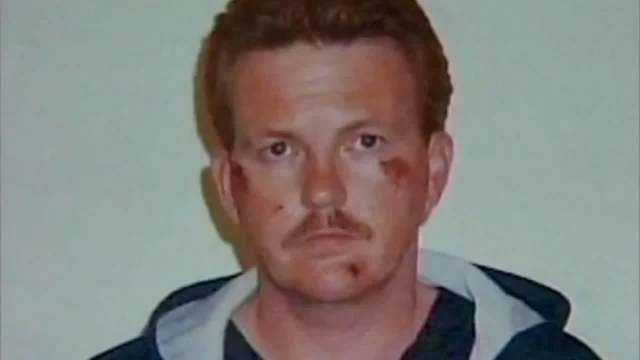
Who Was Ed Laraby? The Man Linked to Stephanie’s Murder
The investigation into Stephanie’s murder ran into problems right away. Police focused on Edward ‘Ed’ Laraby, who worked as a maintenance worker at Stephanie’s Newcastle apartment complex. Laraby had a serious criminal record, with convictions for armed robbery, rape and sexual abuse. He was a prime suspect because he had just gotten out of prison eight months before Stephanie went missing. His job made it easy for him to get into her flat and his violent past made people suspicious. But the police couldn’t get an arrest warrant because they didn’t have strong proof like fingerprints or DNA, which was limited by forensic technology in the 1990s.
Laraby’s actions didn’t help his case. He went back to jail after committing a string of sexual assaults shortly after Stephanie’s murder. While he was in jail, he allegedly tried to strangle a corrections officer, which only made his reputation for violence stronger. Even though there were warning signs, Stephanie’s case went cold and her family didn’t get any answers for more than 20 years. Her loved ones were heartbroken that there was no closure because they had lost a woman who was described as selfless and full of light.
A Shocking Confession in 2012
In 2012, a breakthrough came from an unexpected source. Ed Laraby, now serving two life sentences for attempted murder and sexual abuse, was terminally ill with Lou Gehrig’s disease at Wende Correctional Facility in Alden, New York. From a hospice unit, he made a stunning confession: he admitted to entering Stephanie’s apartment, strangling her, and disposing of her body. Investigators found hope in his confession, which contained details only the killer would likely know.
But Laraby’s motives were murky. He confessed in hopes of striking a deal to be buried outside prison grounds after his death. His admission wasn’t clean-cut—he also claimed responsibility for other crimes, including the 1982 murder of Cathleen “Cathy” Krauseneck, featured in the same 48 Hours and Dateline episodes. However, his confession regarding Cathy’s murder contained inaccuracies, such as a false claim of sexual assault and an incorrect description of her appearance, which led people to question his credibility. Investigators were uncertain about his confession regarding Stephanie’s murder because some aspects of it were true while others were false.

Ed Laraby’s Death and Unanswered Questions
Laraby was going to go to court for Stephanie’s murder, but he wouldn’t admit guilt, which made things more difficult. He died in 2014, while still in jail, before justice could be served. He was buried outside the prison grounds, just as he asked. Because he died, the case was left open because prosecutors couldn’t test his confession in court or fully back up his claims. This was a bittersweet ending for Stephanie’s family. Laraby’s confession cleared things up a bit, but the fact that there was no trial left them with doubts.
The link to Cathy Krauseneck’s case made things even more complicated. James Krauseneck was found guilty of murdering Cathy in 1982 based on circumstantial evidence, such as a staged burglary and a more precise estimate of when she died. Laraby’s confession to killing Cathy was eventually thrown out because it didn’t make sense, but it made people wonder if he was just a serial confessor looking for attention or if he really did kill Stephanie. Without DNA evidence or a trial, the truth is still hard to find.
If you want to explore more true crime stories and updates on unsolved cases, Spiky TV offers in-depth coverage and analysis of many similar cases, bringing awareness to those that deserve attention.
Read Also: Karen Sparks-Epley: Where Is Ted Bundy’s First Survivor Now?